
Heat Exchangers in Process Plants
Process industries use different types of fluids (gases and liquids) at different energy levels for several purposes. For example, in elementary distillation of alcohol, vaporized alcohol is condensed with the use heat exchange device called condenser. Similarly, in rectification columns and vacuum distillation unit (VDU) , heat exchangers play a major role in vaporization of the process to ease separation of the more volatile components from the less volatile once.
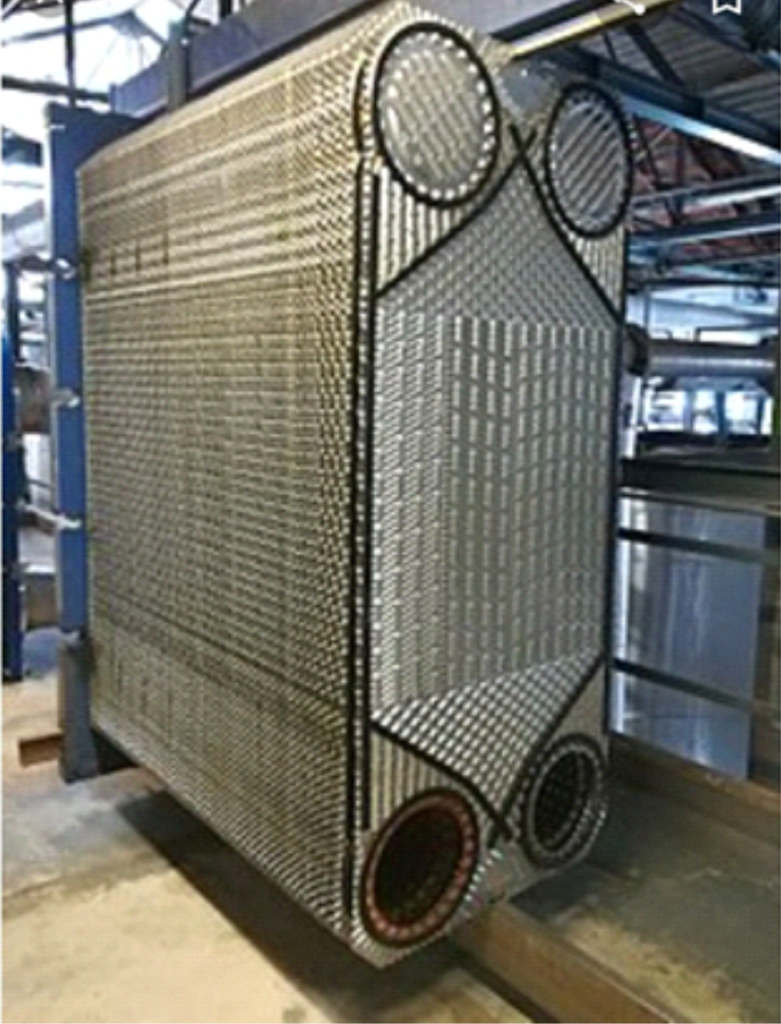
Heat exchange devices could be classified as
• Shell and tube type
• Air cooled/Fin type
• Plate heat exchangers
• LNG heat exchangers
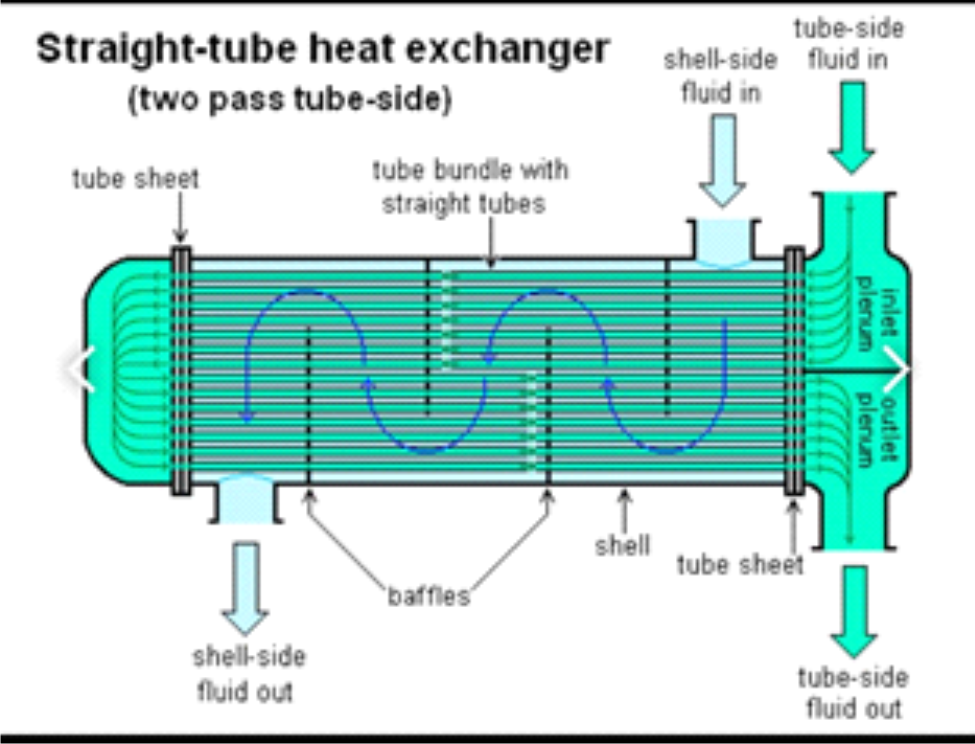
The shell and tube ranges from straight-tube type, u-tube type, single pass, double pass and kettle type exchanger which is mostly used for vaporization of hydro condensate to steam. The principle of design of heat exchangers is the density difference between the fluids; this determines the fluid that passes through the tube and that which would pass through the tubes. The fluid with higher density passes through the tube while that with less density passes through the shell.
Heat recovery is the main aim of heat exchangers. In coolers, process heat recovery is not paramount as the heat removed from a high temperature fluid is not utilized for process heating or other purposes. The choice of heat exchangers you need depends on the specific nature of your process and other factors.
Fouling on heat exchangers
Using heat exchangers overtime will result in reduction of the effectiveness of the equipment as well as low performance. Continuous deposit of solids, minerals, etc on the surfaces of the heat exchangers and cooling of the substances makes if difficult for these substances to be removed from the surfaces of the equipment. Accommodation of substances on the surfaces of heat exchangers thereby reducing the total surface area available for heat transfer is fouling. The nature of the fluids determines fouling tendency in heat exchangers. Fouling can be discovered by evaluation of the temperature of the exit cooling water (cooling fluid) over time. Persistent high cooling water return predicts fouling. Back flushing is done when fouling is suspected. However, if the cooling water return high temperature persist, then fouling is confirmed. Cleaning could be manually, or chemical method with experts.
In plate heat exchangers, increase in delta P is another indication of fouling. Back flushing could be a temporary solution but for advanced stage, expert(s) attention is needed for cleaning.